
Hearing plays a vital role in how we communicate, work, and connect with the world around us. Yet millions of people ignore early signs of hearing problems until they begin to affect daily life. If you’ve ever wondered whether you or a loved one should see an audiologist, this comprehensive guide will explain everything you need to know.
In this article, we’ll explore what an audiologist does, common signs of hearing loss, available treatments, hearing aids, tinnitus management, and when to schedule a hearing test.
What Is an Audiologist?
An audiologist is a licensed healthcare professional who specialises in diagnosing, managing, and treating hearing and balance disorders. Unlike general practitioners, audiologists receive advanced training focused specifically on ear health, hearing function, and auditory rehabilitation.
They work with patients of all ages—from newborns to seniors—and provide personalised care plans to improve hearing and overall quality of life.
Common Signs You May Need a Hearing Test
Hearing loss often develops gradually, making it difficult to notice at first. Here are common warning signs:
Frequently asking people to repeat themselves
Turning up the TV or phone volume higher than others prefer
Difficulty understanding conversations in noisy environments
Ringing or buzzing in the ears (tinnitus)
Feeling that others are mumbling
Avoiding social situations due to hearing challenges
If you experience any of these symptoms, scheduling a professional hearing evaluation is an important first step.
What Happens During a Hearing Test?
A comprehensive hearing test is painless and typically takes 30–60 minutes. During your visit, an audiologist may perform:
1. Otoscopic Examination
The ear canal and eardrum are examined for blockages, infections, or structural issues.
2. Pure-Tone Audiometry
You’ll wear headphones and respond to various tones to determine the softest sounds you can hear.
3. Speech Testing
This evaluates how well you hear and understand spoken words.
4. Tympanometry
This measures middle ear function and detects fluid or pressure problems.
After testing, your audiologist will review the results and explain whether hearing loss is present, its severity, and recommended treatment options.
Types of Hearing Loss
Understanding the type of hearing loss is essential for proper treatment.
Conductive Hearing Loss
Caused by problems in the outer or middle ear, such as earwax buildup, infections, or fluid.
Sensorineural Hearing Loss
The most common type, resulting from damage to the inner ear or auditory nerve. Often age-related or noise-induced.
Mixed Hearing Loss
A combination of conductive and sensorineural hearing loss.
Early diagnosis significantly improves treatment outcomes.
Hearing Aid Solutions: Modern Technology for Better Hearing
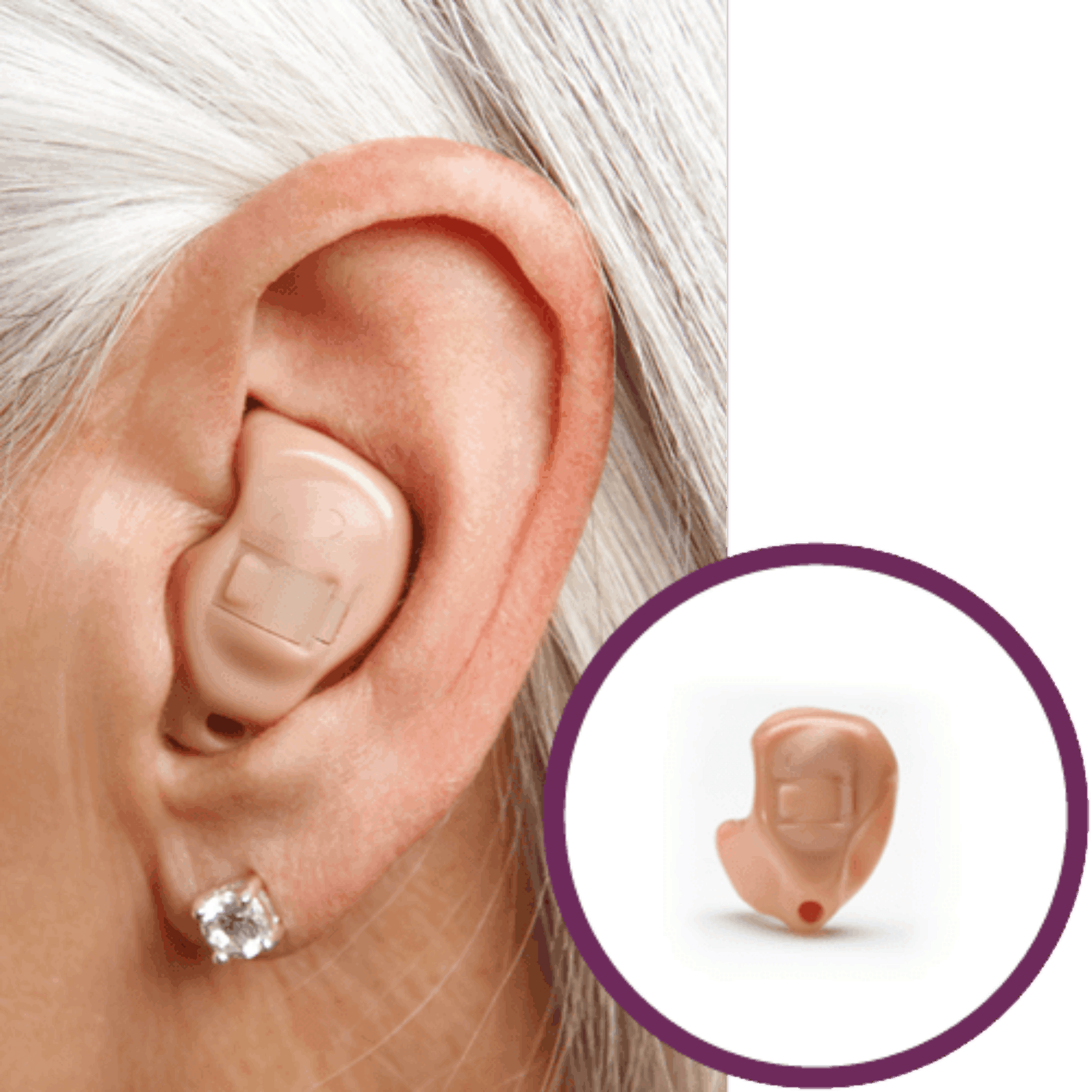
If hearing loss is diagnosed, hearing aids are one of the most effective solutions. Today’s devices are discreet, powerful, and technologically advanced.
Types of Hearing Aids
Behind-the-Ear (BTE): Suitable for most types of hearing loss
In-the-Ear (ITE): Custom-made and more discreet
Receiver-in-Canal (RIC): Lightweight and comfortable
Completely-in-Canal (CIC): Nearly invisible
Advanced Features Include:
Bluetooth connectivity
Rechargeable batteries
Noise reduction technology
Directional microphones
Smartphone compatibility
An audiologist will program and fine-tune the device to match your specific hearing profile.
Tinnitus: Ringing in the Ears Explained
Tinnitus affects millions of adults and can range from mild to debilitating. It often sounds like ringing, buzzing, hissing, or clicking in the ears.
While there is no universal cure, audiologists offer effective management strategies:
Sound therapy
Tinnitus retraining therapy (TRT)
Hearing aids with masking features
Stress reduction techniques
Cognitive behavioral strategies
Proper evaluation ensures that underlying medical causes are ruled out.
Pediatric Audiology: Hearing Care for Children
Early hearing detection is critical for speech and language development. Audiologists perform newborn screenings and pediatric hearing assessments to ensure healthy development.
Signs of hearing problems in children include:
Delayed speech development
Not responding to sounds or name
Frequent ear infections
Turning one ear toward sounds
Early intervention significantly improves long-term communication skills.
The Connection Between Hearing Loss and Brain Health
Research shows that untreated hearing loss may increase the risk of cognitive decline and social isolation. When hearing is impaired, the brain must work harder to process sound, potentially affecting memory and concentration.
Treating hearing loss with hearing aids or other interventions can help maintain cognitive function and improve overall well-being.
Balance Disorders and Audiology
Audiologists also diagnose and manage balance issues, including vertigo and dizziness. Since the inner ear plays a key role in balance, problems in this area can cause:
Spinning sensations
Unsteadiness
Nausea
Increased fall risk
Comprehensive vestibular testing can identify the cause and guide treatment.
How Often Should You Get Your Hearing Checked?
General recommendations:
Adults under 50: Every 3–5 years
Adults over 50: Every 1–2 years
Anyone experiencing symptoms: Immediately
Individuals exposed to loud noise regularly: Annually
Routine hearing tests are as important as eye exams or dental checkups.
Protecting Your Hearing: Prevention Tips
Preventing hearing damage is easier than treating it. Follow these expert tips:
Use ear protection in noisy environments
Keep headphone volume below 60%
Avoid prolonged exposure to loud music
Take listening breaks
Treat ear infections promptly
Noise-induced hearing loss is permanent—but preventable.
When Should You See an Audiologist?
You should schedule an appointment if you:
Notice any changes in hearing
Experience persistent tinnitus
Struggle in conversations
Feel dizzy or off-balance
Have a family history of hearing loss
Early evaluation leads to better outcomes and improved quality of life.
Final Thoughts: Better Hearing Starts Today
Hearing health is essential to communication, safety, and emotional well-being. Whether you need a routine hearing test, tinnitus management, pediatric care, or advanced hearing aids, a licensed audiologist provides personalised solutions tailored to your needs.
Ignoring hearing problems can lead to isolation, cognitive strain, and reduced quality of life. Taking action today can dramatically improve your tomorrow.
If you suspect hearing loss or simply want peace of mind, schedule a comprehensive hearing evaluation and take the first step toward clearer, more confident hearing.
Comments
Post a Comment